
RITC Reports
VET in Schools and Pathways for School-leavers
The WA resources sector is one of the State’s largest employers. Over the last 12 months the sector has been increasingly challenged by labour market tightening and restricted mobility as a function of the global pandemic. With a local constrained employment market, an imperative to further connect the talent pipeline from local school leavers and young adults into resources sector careers has been identified by industry.
This discussion paper seeks to clarify the role of existing VET in School programs for the resources sector and surmise entry-level pathways for school-leavers into the industry. Additionally, it seeks to unpack and clarify some of the logic and opportunity within the youth labour market, focusing on the identification of barriers and proposing opportunities and recommendations for the sector to further support continuity of the talent pipeline.
Drilling Industry Workforce Development Report
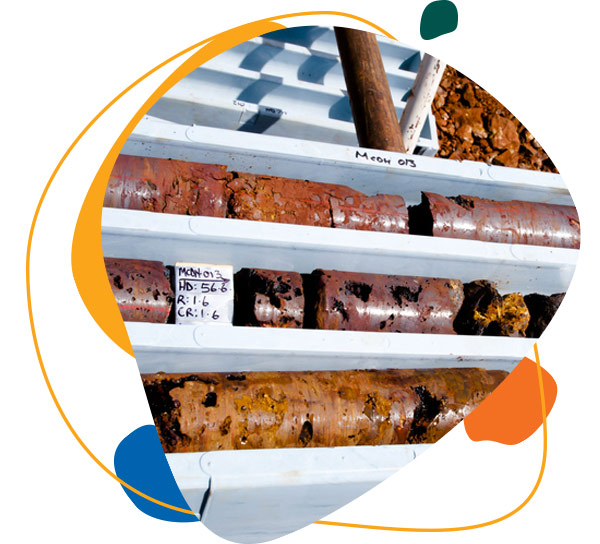
The drilling industry plays a critical role across many industries in the Australian economy, including civil infrastructure, agriculture, and the resources sector (onshore and offshore mining, oil, and gas). In a resources sector context, drilling activity is required throughout the entirety of the mining life cycle – through exploration drilling, construction-related drilling and production drilling operations (such as blast hole drilling), generating a significant amount of output and providing a multitude of employment opportunities. However, with fluctuating levels of demand and supply being a feature of the sector, the need for a workforce development strategy has become apparent.
This report has been developed by the Resources Industry Training Council (RITC) with the support of PwC Skills for Australia and the WA Drilling Industry. The intent is to identify the workforce development issues impacting the drilling industry in Western Australia and propose recommendations to support industry resilience and growth.

Composites sector - Priorities and Opportunities
Composite products (such as those made from fibreglass, carbon fibre and plastics) are used heavily by the resources, aerospace, defence, renewable energy, medical and recreational sectors. Over the last decade the manufacturing workforce of WA, in which the Composites sector is seated, has contracted, and this trend is forecast to continue through to 2023. In contrast, the projected mining sector expansion, increased government expenditure (infrastructure and defence), increased adoption and development of new technologies, and the demand for sustainable products, are providing opportunities for sector growth.
In August 2019, the RITC launched the Composites project to produce a workforce skills and training development document which clearly identifies the issues impacting skill development and training opportunities within the Composite sector, whilst offering solutions. In addition, the project report intended to conduct an exploration of the current and future market opportunities for WA composites manufacturing, and their relevance as a potential mechanism to broaden the State’s economic base.